

 Back to Blogs
Glossary of Replacement Window Terms
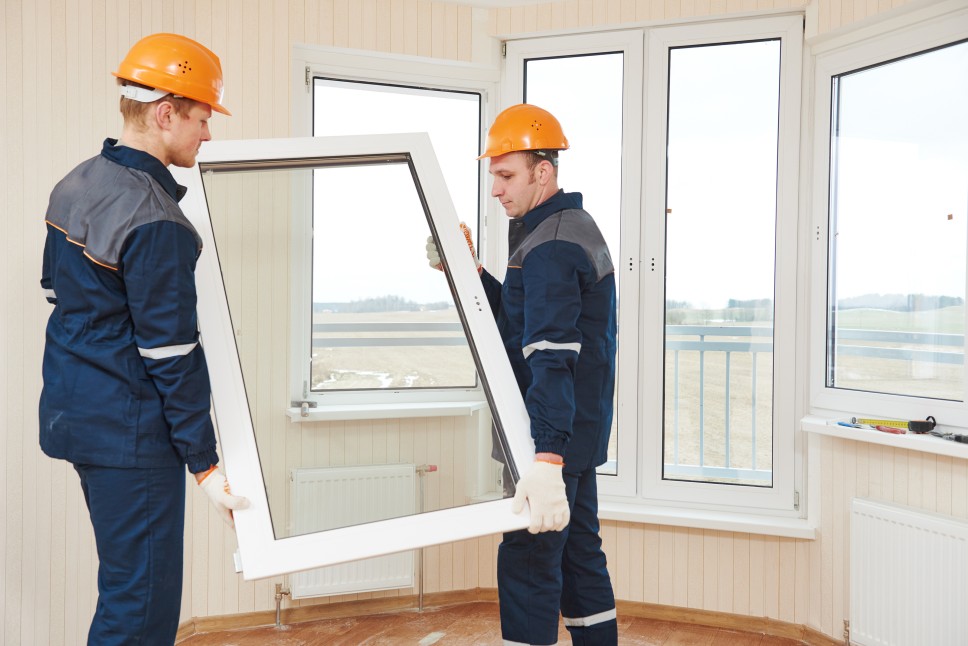
Navigating the world of window replacement can sometimes feel like learning a new language. Terms like "low-E glass," "muntins," and "sash" may not be part of your everyday vocabulary, but they're essential when choosing the right windows for your home. To help you understand the terminology and make informed decisions, we've compiled a comprehensive glossary of replacement window terms.
Comprehensive Glossary of Terms
1. Low-E Glass
Stands for low-emissivity glass. It's coated with a thin metallic layer that reflects heat back to its source, helping to keep your home warmer in the winter and cooler in the summer. This technology significantly improves the energy efficiency of your windows.
2. Argon Gas
A colorless, odorless, inert gas is used between the panes of glass in double- or triple-pane windows. Argon gas provides better insulation than regular air, enhancing the thermal efficiency of the window.
3. Sash
The movable part of the window that holds the glass panes together. In double-hung windows, both the upper and lower sections can move up and down.
4. Frame
The frame structure encloses the window sash. It's anchored to your home's walls and helps define the window's shape and size.
5. Muntins
Also known as grilles or window bars, muntins are the strips of material that divide the window glass into smaller panes. They can be decorative or functional and are available in various styles.
6. U-Factor
A measure of a window's thermal efficiency, specifically its insulation value. The lower the U-factor, the more efficient the window is at preventing heat from escaping.
7. Solar Heat Gain Coefficient (SHGC)
This metric measures how well a product can resist unwanted heat gain, which is especially important during summer. Like the U-factor, a lower SHGC indicates better performance.
8. Double-Hung Windows
A style of window featuring two sashes that slide vertically up and down in the frame. They can be opened from the top or bottom, but they remain inside the frame so they don't protrude out to the exterior or interior of the house.
9. Casement Windows
Windows that are hinged on the side and open outward to the left or right. They're often operated with a crank, allowing for excellent ventilation and unobstructed views.
10. Bay and Bow Windows
Bay windows consist of three openings, available in angled projections. Bow windows, on the other hand, create a curved appearance by combining four or more windows. Both types extend outward from the home's wall, creating additional space and views.
11. Energy Star® Certification
A designation that is given to products that meet strict energy performance standards set by the EPA. Energy Star® certified windows can significantly reduce energy bills and carbon footprints.
12. Warm-Edge Spacer
This component of a window plays a critical role in its energy efficiency by separating the layers of glass in an insulated window unit. Warm-edge spacers are designed to reduce heat transfer and prevent condensation along the edges of the glass. By minimizing the conductive path for heat to escape, they help maintain a more consistent temperature across the window's surface, improving overall thermal performance.
13. SolarZone™ Insulated Glass
An advanced glass package enhances window energy efficiency. SolarZone™ technology combines low-E coatings, argon gas fill, and warm-edge spacers to significantly reduce energy consumption. This innovative approach not only lowers heating and cooling costs but also protects against UV damage, preserving the color and integrity of indoor fabrics and furnishings.
14. Triple-Pane Glass
A window configuration that includes three layers of glass with spaces between them, often filled with an inert gas like argon or krypton. Triple-pane glass offers superior insulation, making it highly effective at reducing energy loss and external noise, thereby increasing a home's comfort and energy efficiency.
15. Tilt-In Sash
A feature found in some double-hung and single-hung windows that allow the sash to tilt inside the home for easy cleaning. This design simplifies the maintenance of the exterior glass surfaces without the need for ladders or external access, making it a convenient option for multi-story homes.
16. Grids or Grilles
Decorative elements that divide a window into smaller panes or lites. Grids can be mounted on the surface of the glass or enclosed between panes in double or triple-glazed windows. They add architectural interest and can be customized to match historical styles or personal preferences.
17. Egress Window
A window that is large enough, as defined by local building codes, for exit or entry in case of an emergency. Egress windows are required in specific locations within a home, such as bedrooms and basements, to provide a safe escape route or access for emergency responders.
18. Fixed Window
Also known as a picture window, this type of window does not open. It's designed to provide unobstructed views and allow light. Fixed windows are often used in combination with operable windows to achieve both aesthetic and functional goals.
19. Mullion
A structural element that combines two or more windows together. Mullions provide support and separation, enabling the creation of window combinations that can cover larger areas or achieve specific design objectives.
20. Flashing
A material used around windows to prevent water infiltration. Proper flashing installation is crucial to ensure that windows are weather-tight and to protect the home's interior from water damage.
21. Sill
The bottom part of the window frame provides structural support for the window. The sill also helps to direct water away from the window, preventing water infiltration and damage to the home's exterior walls.
22. Jamb
The vertical sides of the window frame. The jamb plays a critical role in the structural integrity of the window and provides a mounting point for the window sash or casement.
23. Head
The top part of the window frame, similar to the sill and jamb, the head is an integral component of the window's structure, providing support and contributing to the overall stability of the window installation.
24. Air Infiltration
The unintended flow of air through cracks and openings in a window unit. High-quality windows are designed to minimize air infiltration, which can improve energy efficiency and comfort within the home.
25. NFRC Label
The National Fenestration Rating Council (NFRC) label provides detailed information about a window's energy performance, including ratings for U-factor, solar heat gain coefficient (SHGC), visible transmittance, and air leakage. This label helps homeowners compare products and make informed decisions based on energy efficiency.
Window World of Tucson Are Your Window Experts
Understanding these key terms can make the process of replacing your windows a bit easier and help ensure you choose the best options for your home's needs and your personal preferences. Whether you're seeking enhanced energy efficiency, better views, or a specific style, knowing the language of replacement windows is the first step toward achieving your home improvement goals.
For more information or assistance with your window replacement project, reach out to the experts at Window World of Tucson. Our team is here to guide you through every step of the process, ensuring you make the best decision for your home.